Hydrofoil
Hydrofoil is the underwater wing system: mast, fuselage, front wing, stabilizer. Power can come from a handheld wing, a windsurf sail, or a kite. This guide explains lift, setup, wing area and aspect ratio, mast length, fuselage tradeoffs, weeds, bolts, shallow-water rules, carbon care, learning hours, and when not to foil at all.
26 sections · study map
What hydrofoil is
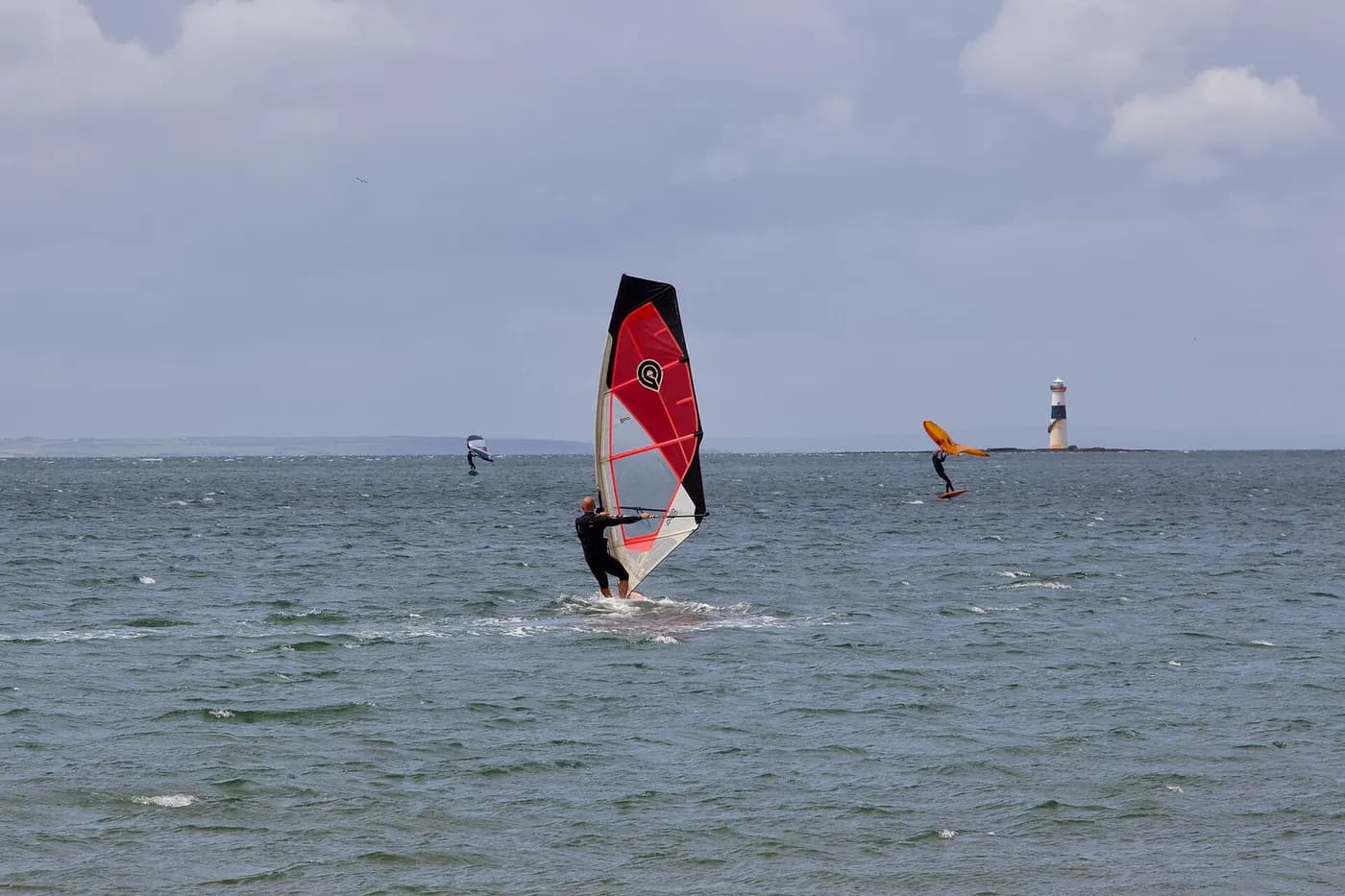
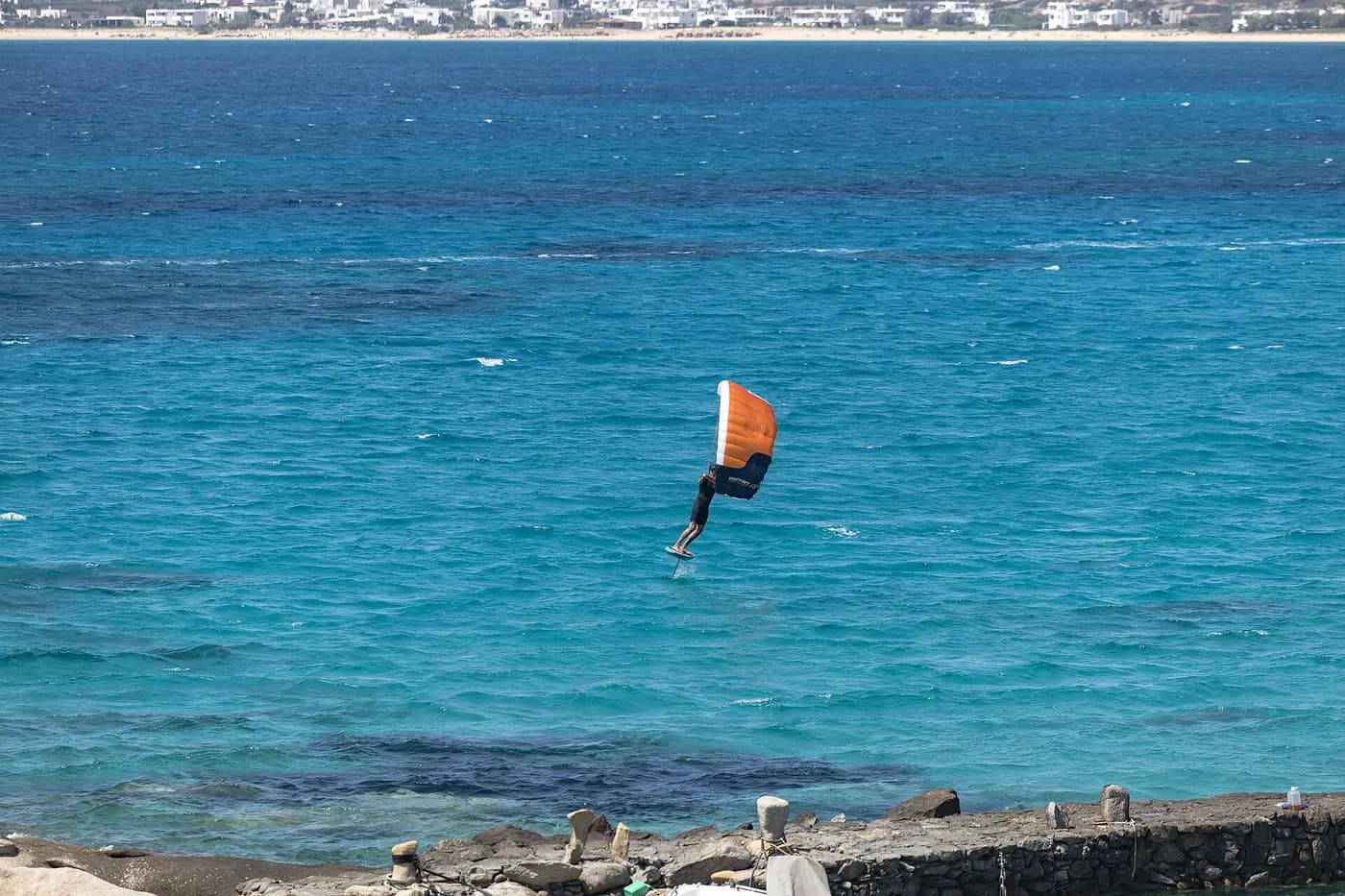
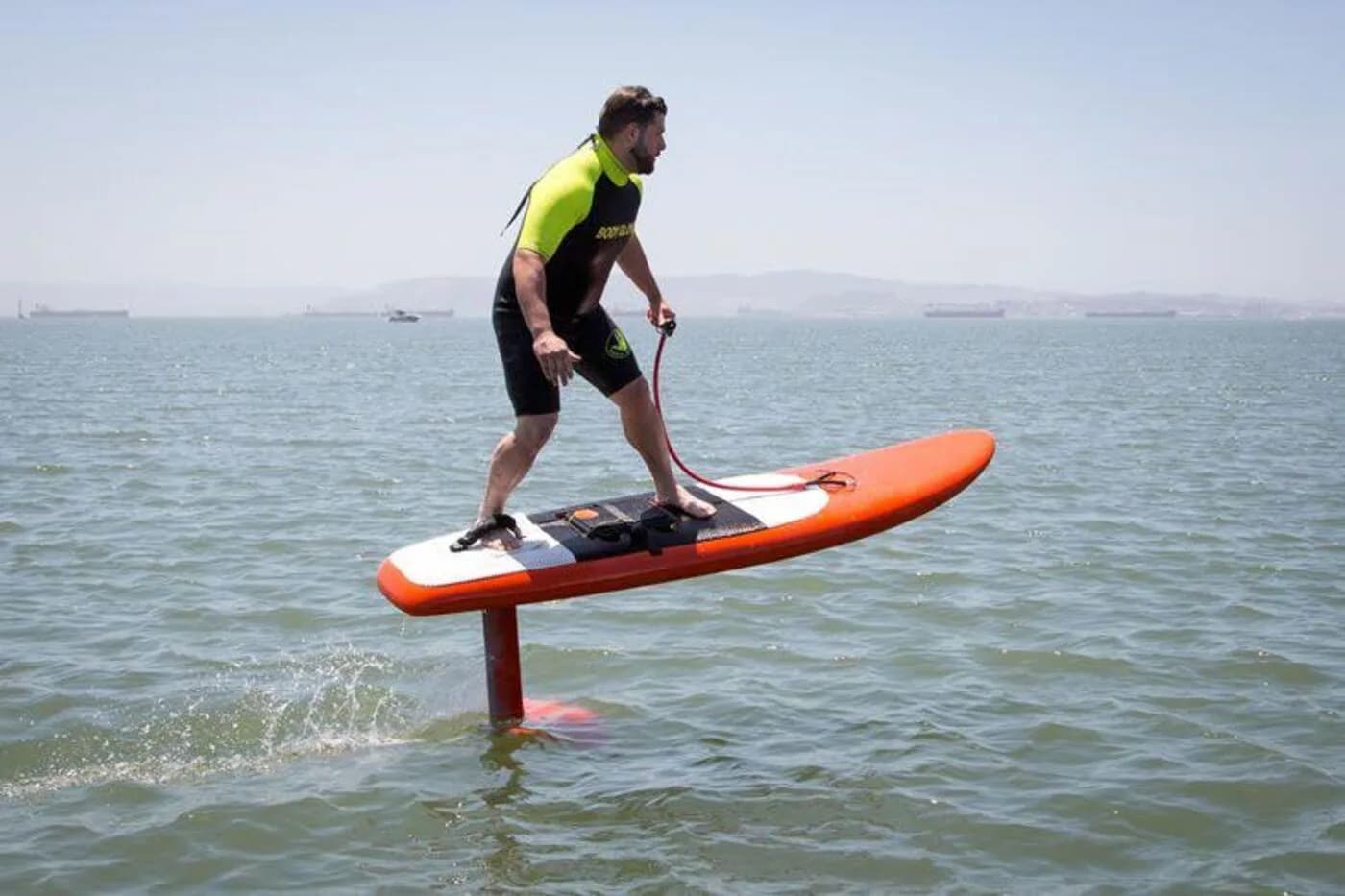
Hydrofoil — often just “foil” — is the underwater wing system under a short board. At speed the front wing makes lift, the board rises, and drag drops. You “fly” above chop. The foil itself is not a complete sport: you still need power from a handheld wing (wingfoil), a windsurf sail (windfoil), a kite, or a tow.
People point at the gear in the photo and ask for the name of the sport with underwater wings. That gear is the hydrofoil. Learning to use it safely is the point of this guide.
Parts: mast, fuselage, wings
Mast: the vertical strut bolted to the board (carbon or aluminium; colours vary — black, red, pink). Longer mast = more room above chop and harder early control. Shorter mast = earlier learning for some schools, less clearance.
Fuselage: the horizontal beam at the bottom of the mast. Front wing: the large wing that creates most lift. Stabilizer (rear wing): the smaller wing that controls pitch. Together these are the underwater wings. Bolts and tracks on the board hold the whole stack; torque them to the brand’s spec.
How lift works in simple terms
Water flowing over the front wing creates lift like an airplane wing in air. Too little speed: no flight. Enough speed and a slightly nose-up attitude: climb. Too much nose-up: breach — the foil exits the water, lift vanishes, and the board slams. Weight forward and easing power recover that.
You steer with board rail and power source, not by “aiming” the underwater wings with your eyes. Looking down at the foil is a common way to lose balance.
How to use it step by step
1) Confirm depth: at least mast length plus a clear margin over the bottom. 2) Assemble mast, fuselage, wings, check bolts. 3) Start with weight slightly forward so the foil stays underwater. 4) Build speed with wing or sail on a reach. 5) Ease weight a little aft to lift; soft knees; look ahead. 6) If the nose rises fast, weight forward and ease power. 7) Fall away from the foil every time.
First sessions should end with mostly water-bound riding and only short lifts. Flight is optional; control is not.
First sessions and progression
Helmet and impact vest. Large stable board. Mid power source. Flat water if you can find it. Practice touch-and-go: lift, level, land, repeat. Add length only when landings are soft and direction is intentional.
When you can fly a straight reach and land without panic, add gentle turns. Gybes and tacks on foil come later — they combine wing/sail skills with foil pitch control.
Depth, bottom, other people
Weeds, sandbars, and sudden shallows destroy foils and injure riders. If you cannot see or know the bottom, do not foil there. Crowded swim beaches are the wrong venue: a foil wing will cut.
Launch and land with a clear corridor. Announce your line when the spot culture expects it. Keep distance from swimmers, SUPs, and classic windsurfers who cannot predict your flight path.
Breach and recovery
Breach: foil exits, lift dies, board drops. Ease power immediately, get weight centered/forward, re-submerge the foil, rebuild speed. Do not sheet on hard while the foil is ventilating — you amplify the slam.
If you fall, protect your head, keep clear of the wings, and recover the board/wing only when you know where the foil is.
Care and bolts
Rinse. Inspect wings for dings. Check mast–fuselage and fuselage–wing bolts before every session. A loose bolt at speed is a failure mode, not a nuisance. Store wings so leading edges are protected.
Small rock chips grow. Repair early if you foil near shallow banks.
Wingfoil vs windfoil vs kite
Same underwater wings, different power. Wingfoil: handheld wing — popular learning path. Windfoil: windsurf sail on a foil board — transfers boom skills, different balance. Kite foil: kite power — high performance, separate safety culture. Pick one power source to learn; mixing too early confuses cause and effect.
Safety mindset
Treat the foil like a sharp tool that also flies. Helmet is not optional while learning. Impact vest helps with slams. Never foil exhausted. Never foil in thunderstorms. If visibility or depth is uncertain, classic board day instead.
Choosing mast length and front wing
Beginner-friendly setups often use a larger front wing (more lift at lower speed) and a moderate mast. High-aspect small wings are for experienced riders who already fly stably. Bigger wings forgive; smaller wings feel lively and punish pitch mistakes.
Ask the shop or school what mast length matches your local depth. A mast that is exciting on a deep lagoon is dangerous on a reservoir with sudden shallows.
Assembly checklist
Board on soft ground. Mount foil with the correct track position for your weight — too far aft and the nose rises early; too far forward and takeoff delays. Torque bolts evenly. Quick pull-test on the mast before you walk to the water.
Carry the board with the foil away from people. On the beach, point wings where nobody steps.
Reading the board feedback
Humming and easy lift mean speed and angle are in range. Sudden ventilation and slam mean pitch or speed error. Porpoising often means too much aft weight — move forward slightly and settle.
If every gust launches you skyward, downsize power or move the foil slightly forward on the track, then retest on a calm reach.
When not to foil
Thunderstorms, shorebreak that dumps you onto the foil, unknown shallow bottoms, night without local knowledge, and extreme fatigue. Classic freeride or rest beats a hospital story.
Front wing area and aspect ratio
Larger front wing area lifts earlier at lower speed — friendlier for learning. Smaller area needs more speed and rewards clean pitch control. Higher aspect often feels more efficient once flying, and less forgiving when you stall.
Do not chase the smallest wing in the shop until you can fly a straight reach and land soft on a larger wing. Pride is an expensive front wing and a bruised hip.
Fuselage length tradeoffs
Longer fuselages often feel more pitch-stable. Shorter fuselages feel quicker to turn and twitchier early on. Beginners usually prefer stability over flick.
Change one variable at a time: wing OR fuselage OR mast, not all three after a bad weekend video.
Weeds, lines and foil damage
Weeds on the front wing kill lift suddenly — like hitting a brake. If the board drops without a gust explanation, check the wing for grass. Carry a safe way to clear weeds without putting bare skin on the trailing edge.
Fishing line and old ropes wrap fuselages. Shallow weed beds are a foil tax. If the spot is famous for grass, foil on a different day or in a cleared lane.
Torque and hardware discipline
Use the tool your brand expects. Re-check bolts after the first water session with a new setup — carbon and aluminium settle. A quarter-turn missing at speed is a failure mode.
Carry spare screws that match your foil. Beach sand eats threads; rinse and dry the hardware kit.
Learning hours — realistic expectations
Many riders need several sessions before controlled flight feels normal, and more before gybes on foil. Progress is not linear: one windy week can jump you forward; three glassy weekends teach patience more than skill.
Compare yourself to your last session, not to a rider with two seasons on the same spot.
Night, fog and low visibility
Foil plus low visibility is a hard no for learning. You cannot see depth cues, other people, or weed lines. Save foil for daylight and clear air.
Transport and storage
Bag wings so leading edges do not knock concrete. Mast and fuselage prefer a padded bag. Heat soak in a closed car can stress adhesives and related wing bladders — shade matters.
Label your torque settings and track position on a tape strip inside the bag.
Breaches in chop vs flat water
Chop raises breach risk because the foil ventilates when the nose spikes. Keep weight more forward in steep chop and fly lower until you trust pitch. Flat water is where you learn length of flight; chop is where you learn humility.
Mast length choice
Shorter masts forgive shallow spots and early tip touches; longer masts give more room for chop and carve once you fly stably. Learning often starts shorter than the mast you will eventually prefer.
Do not buy the longest mast in the shop to look pro. Depth discipline matters more than mast bragging rights.
Stabilizer size and pitch feel
A larger stabilizer usually damps pitch and helps early flight feel calm. A smaller stabilizer quickens the foil and demands cleaner rider input. Change stabilizer only after the front wing and track position already make sense.
If you porpoise constantly, check rider weight aft and track position before swapping to a tiny stabilizer you saw on social media.
Shallow water rules of thumb
If you cannot clearly see enough depth for mast plus a safety margin, do not hunt flight. Touch-and-go in skinny water turns into broken carbon and injured ankles.
Walk the entry. Ask locals where the shelf ends. On reservoirs, underwater obstacles move with seasons — yesterday’s safe lane is not a lifetime contract.
Carbon care and UV
Rinse salt and sand. Dry out of harsh midday sun when you can. Soft covers beat tossing bare wings into a trailer. Small dings on the leading edge change lift — repair before they grow.
Never stand the foil on the trailing edge against concrete as a ‘quick park’. That habit writes off wings.
→ Find your board and sail on the wind map